
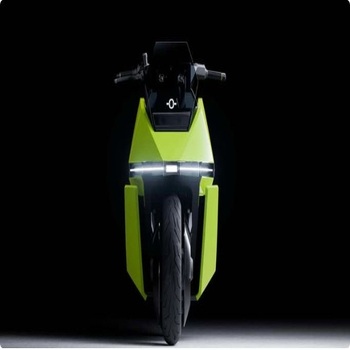
This futuristic electric scooter blurs the line between a scooter and a smart vehicle, boasting AI, GPS, and features far beyond a typical ride.
What happens when an electric scooter gets smarter than your average car dashboard? That’s the question being asked as the latest EV scooter release leaves riders amazed—and a bit overwhelmed—with its over-the-top list of features. Some argue it’s no longer a scooter at all but a compact smart vehicle on two wheels.
This next-gen electric scooter has gained serious attention for packing in technologies typically reserved for luxury vehicles. It includes onboard AI navigation systems, gesture controls, adaptive lighting, anti-theft tracking, wireless charging, and even biometric access. It’s designed not just for point-to-point commuting, but for redefining the urban mobility experience.
From the outside, it still looks like a sleek, modern scooter. But the moment you power it on, you realize this is more than just an eco-friendly ride. Built-in voice assistants, touchscreen dashboards, and real-time diagnostics pop up, making it feel more like a futuristic motorcycle than anything you’d park on the sidewalk.
Also Read: Starbucks Faces Backlash Over AI Assistant Rollout in Stores
The EV scooter trend is growing rapidly as cities look to reduce congestion and promote sustainable transport. However, this particular model pushes boundaries. It uses regenerative braking, has a top speed of over 40 mph, and even offers different riding modes tailored by AI based on your driving behavior.
Critics are already voicing concerns. One tech reviewer said, “There’s such a thing as too much tech. A scooter is meant to be simple, agile, and accessible. This feels more like a Tesla in disguise.” Others argue the electric scooter with AI may alienate the very riders it was meant to attract—those looking for a quick and hassle-free way around the city.
Supporters, on the other hand, praise the advancements. They believe the added features enhance rider safety, particularly the collision detection system, blind-spot alerts, and autonomous emergency braking. For tech lovers and urban commuters who value connectivity, this might just be the perfect ride.
Interestingly, the scooter’s connectivity features allow users to link their smartphones, track trip history, receive remote firmware updates, and even lock or unlock their scooter remotely. This is part of a broader industry shift toward IoT-integrated vehicles that adapt to user needs in real time.
Price-wise, the EV scooter falls in the premium category, coming in significantly above traditional e-scooters. That said, the company behind the product defends its pricing by highlighting the innovative hardware and software integrations. Some consumers might compare it to buying an e-bike with smart features or even a lightweight electric vehicle, especially when considering its capabilities.
So, is this really a scooter? Or has the term evolved with the times? Definitions aside, what’s clear is this model isn’t designed for the casual rider. It’s meant for the connected commuter, the tech-savvy traveler, and perhaps the luxury enthusiast who wants more from their ride.
In many ways, this launch represents where personal transportation is heading. As urban infrastructure becomes smarter, so will the vehicles navigating it. Whether or not this EV scooter is “too much,” it shows that the scooter market is no longer just about basic mobility—it’s about innovation, integration, and intelligent design.
Whether you see it as over-engineered or future-ready, one thing is certain: this isn’t your average sidewalk scooter. And for the right rider, it could be the most exciting tech-packed ride of 2025.
Also Read: Empowering Inclusion: How Technology Is Boosting Participation for Australians with Disabilities